
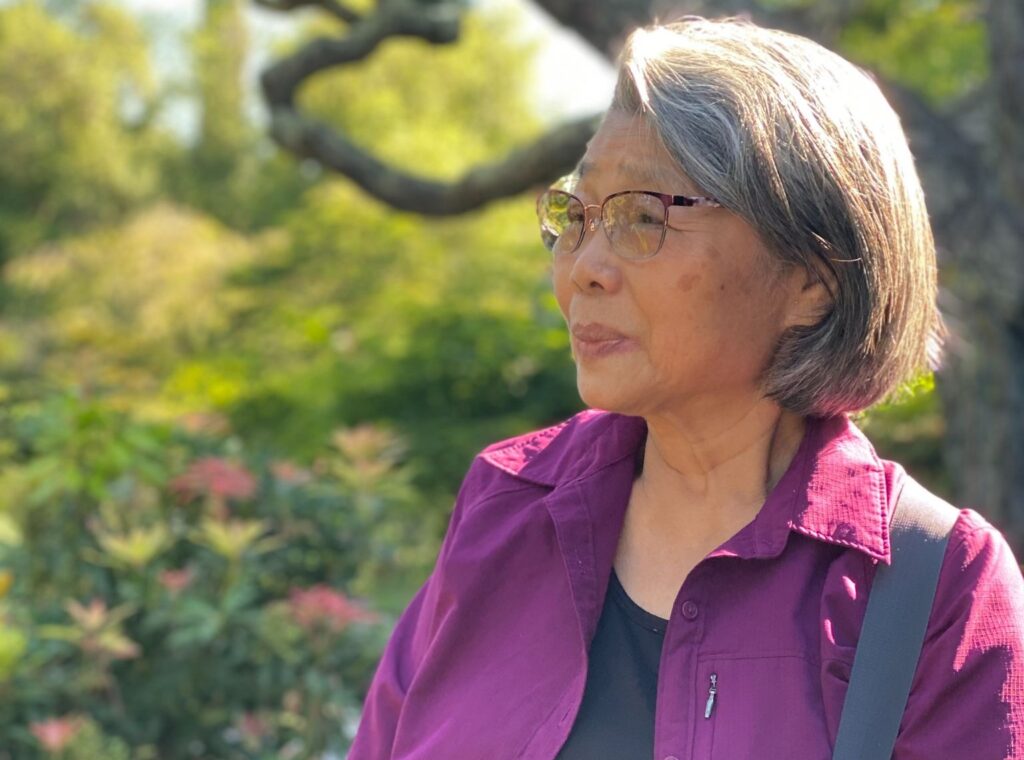
Mrs. Poon still remembers what it felt like to arrive in San Francisco nearly five decades ago.
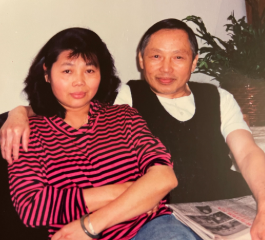
It was 1976. She and her husband had come from Hong Kong in search of opportunity and stability for their young family. Through relatives, they found a home at Columbus United Cooperative (CUC) in Chinatown. What began as a practical move became the foundation of her life in the United States — and the place she has now called home for more than 50 years.
“I have lived here for a long time,” she says simply. “This is my home. I want to stay forever.”
At CUC, residents collectively own “shares” in the building as a limited equity housing cooperative. Unlike traditional rentals, residents aren’t simply renters, they are member-owners. Mrs. Poon describes it modestly — “I own my house… I own a share” — but that shift carries enormous weight.
For families like hers, ownership meant something critical: stability.
Before the San Francisco Community Land Trust stepped in, there was constant worry about rent increases and the possibility that the building could be sold. That fear is common in San Francisco’s tight housing market, especially in Chinatown, where generations of immigrant families have faced displacement. When SFCLT acquired the building and preserved it as a limited equity cooperative in 2009, it caused residents’ housing costs to remain stable.
“I don’t need to worry,” she says. That peace of mind changed everything.
Raising a Family at CUC
Mrs. Poon worked as a seamstress for decades before retiring. While she and her husband built their lives through hard work, Columbus United Cooperative provided the steady foundation beneath them. She raised three children in the building. All three lived at CUC until they finished college and began their careers. Today, they are a physical therapist at Kaiser, an engineer, and a professional working in accounting and business
The cooperative model helped make that trajectory possible. Stable housing allowed her family to focus on education, work, and community rather than scrambling to keep up with rising rents or sudden moves. Limited equity cooperatives are designed precisely for this purpose: to create long-term affordability while offering residents the dignity and agency of ownership.
Unlike market-rate ownership, where rising property values can price out future generations, limited equity co-ops restrict resale prices so homes remain affordable for the next family.
For Mrs. Poon, that matters deeply. The home she helped steward will not become speculative real estate. It will remain a place for working families.
A Community That Feels Like Family
When asked what it means to be part of the cooperative, she talks about togetherness.
“It’s like family living here,” she explains. Neighbors are kind. They support each other.
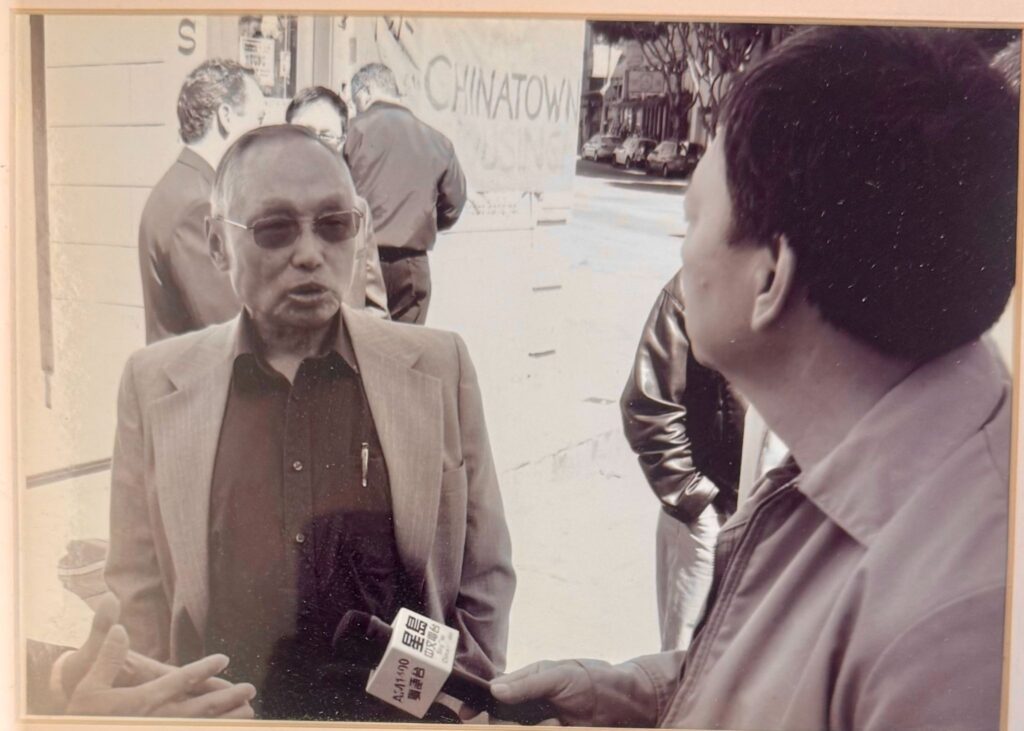
Over the years, the building itself has improved. After SFCLT’s acquisition, the property underwent a full renovation, modernizing kitchens and bathrooms and improving building systems. Her husband, who served as building manager for many years, advocated for upgrades like adding an elevator to better serve aging residents.
The improvements were practical, but they also signaled something more: long-term investment in the people who live there.
That long-term vision is at the heart of the community land trust model. Across the country, limited equity cooperatives have preserved affordable homeownership for working-class families,
particularly in immigrant neighborhoods. In California, new co-ops have been rare in recent decades, making Columbus United Cooperative especially significant. Its success demonstrates that permanently affordable, resident-controlled housing is not just possible — it works.
Staying, Without Fear
Mrs. Poon is retired now. She spends her days in a neighborhood she loves — close to transit, shops, and longtime friends. The building is peaceful. It is familiar. It is secure. “I love here so much,” she says
For her, ownership doesn’t mean building wealth through speculation. It means something more powerful: knowing she can remain in her home without fear, and that her home will remain affordable for generations to come.
That is the promise of Columbus United Cooperative — and of the community land trust movement. Not just housing, but permanence. Not just shelter, but stability. Not just for one family, but for many families to come.